Insights
What Nationality-Based Groups Reveal About Student Needs
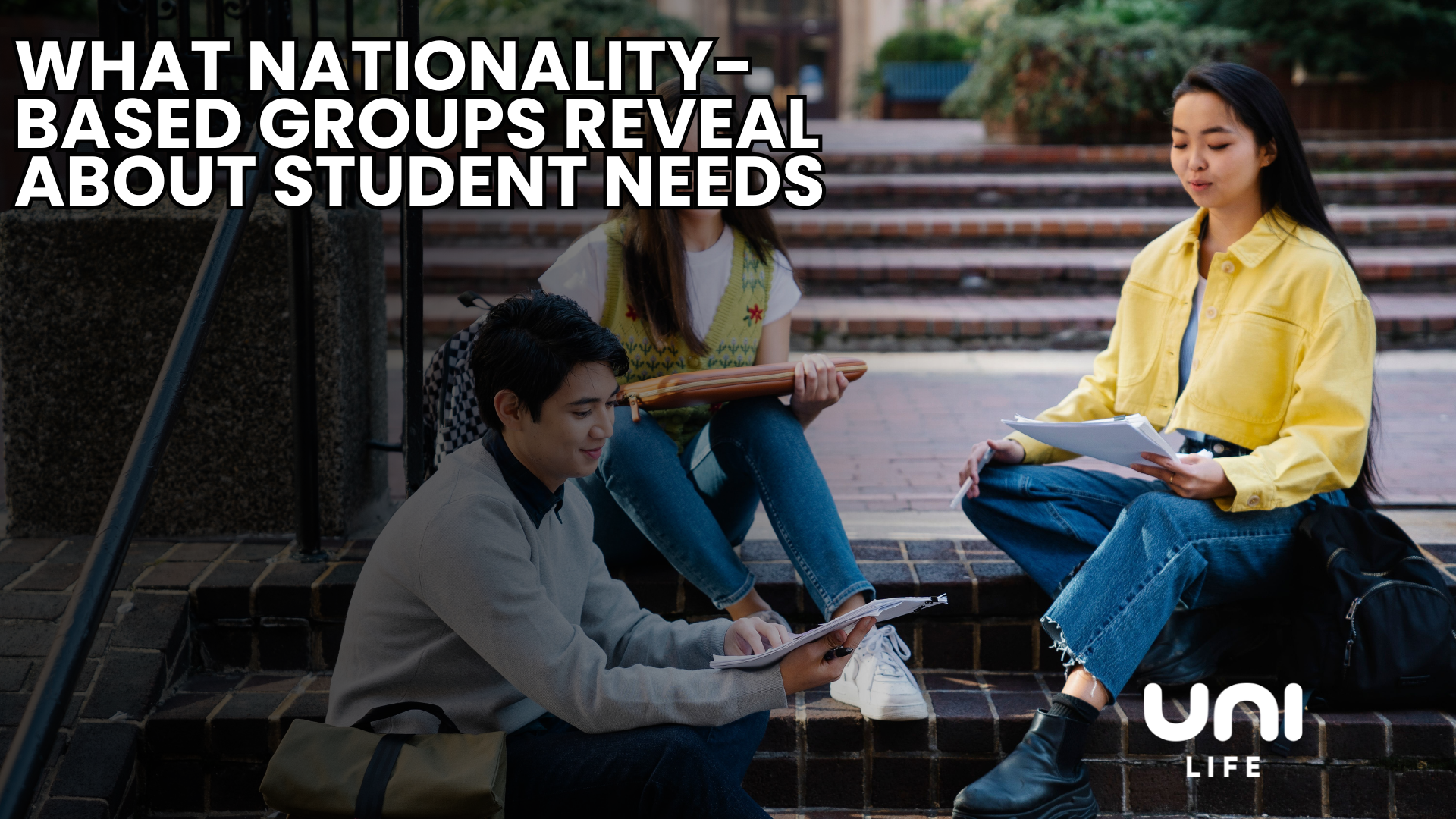
When students receive an offer from a university abroad, one of the first questions they often ask is simple and human, “Who else is from my country?”
Before they explore modules, housing options, or campus societies, many international students seek familiarity. They look for someone who speaks their language, understands their education system, or shares similar cultural expectations. This instinct is not accidental. It reflects a fundamental need for safety and shared context during a period of uncertainty.
Nationality-based communities are often the first doorway into belonging.
Relocating to another country is not merely an academic transition. It is a psychological and social shift. Students navigate unfamiliar systems, financial decisions, visa processes, and family expectations, often simultaneously.
Within nationality or region-based groups, students find:
These groups reduce cognitive load. Students do not need to translate themselves or contextualize their concerns. They can ask questions directly and receive responses grounded in shared experience.
Belonging often begins with similarity before expanding into diversity.
High engagement within nationality-based groups is not simply social activity. It reveals layered needs that may not surface in broader international channels.
Common patterns include:
These micro-communities often host the most candid discussions. Students may feel more comfortable expressing doubt or confusion among peers who understand their specific context.
From an institutional perspective, these conversations provide early signals about emerging concerns. Visa anxiety, housing confusion, financial stress, or misinformation often appears first in these smaller groups.
Institutions frequently communicate with “international students” as a single segment. Yet engagement patterns demonstrate that this group is far from homogeneous.
Visa processes differ significantly by country. Financial constraints vary by region. Cultural expectations around independence and family involvement shape decision-making in different ways. Even communication styles influence how students ask for help.
Broad messaging can miss nuances. Micro-communities reveal the diversity within international cohorts and highlight where more contextual support may be needed.
Recognizing this complexity strengthens student experience design.
There is sometimes concern that nationality-based groups may isolate students from the wider campus community. In practice, the opposite is often true.
These groups frequently serve as stepping stones. Students build confidence in familiar spaces before branching out into mixed groups, academic societies, and broader social circles. Early reassurance within a micro-community can reduce fear and accelerate wider participation.
Belonging is layered. Students rarely move directly from uncertainty to full integration. They move gradually, expanding their circles as confidence grows.
Designing with Micro-Communities in Mind
Institutions that observe and understand micro-community behaviour gain valuable insight into student needs.
Practical approaches may include:
These groups are not merely social clusters. They are indicators of belonging, trust, and adjustment.
For many students, the journey toward integration begins with recognition. Hearing their language, seeing familiar names, or connecting with someone who shares their background creates a sense of psychological safety.
From there, confidence expands outward.
Understanding nationality-based engagement is not about segmenting students more narrowly. It is about recognising that belonging starts in layers. When institutions acknowledge these layers, they design experiences that are more human, more responsive, and ultimately more effective in supporting students from offer to arrival and beyond.

.png)
.png)

.png)