Insights
The inside track: what students really learn from each other before university starts
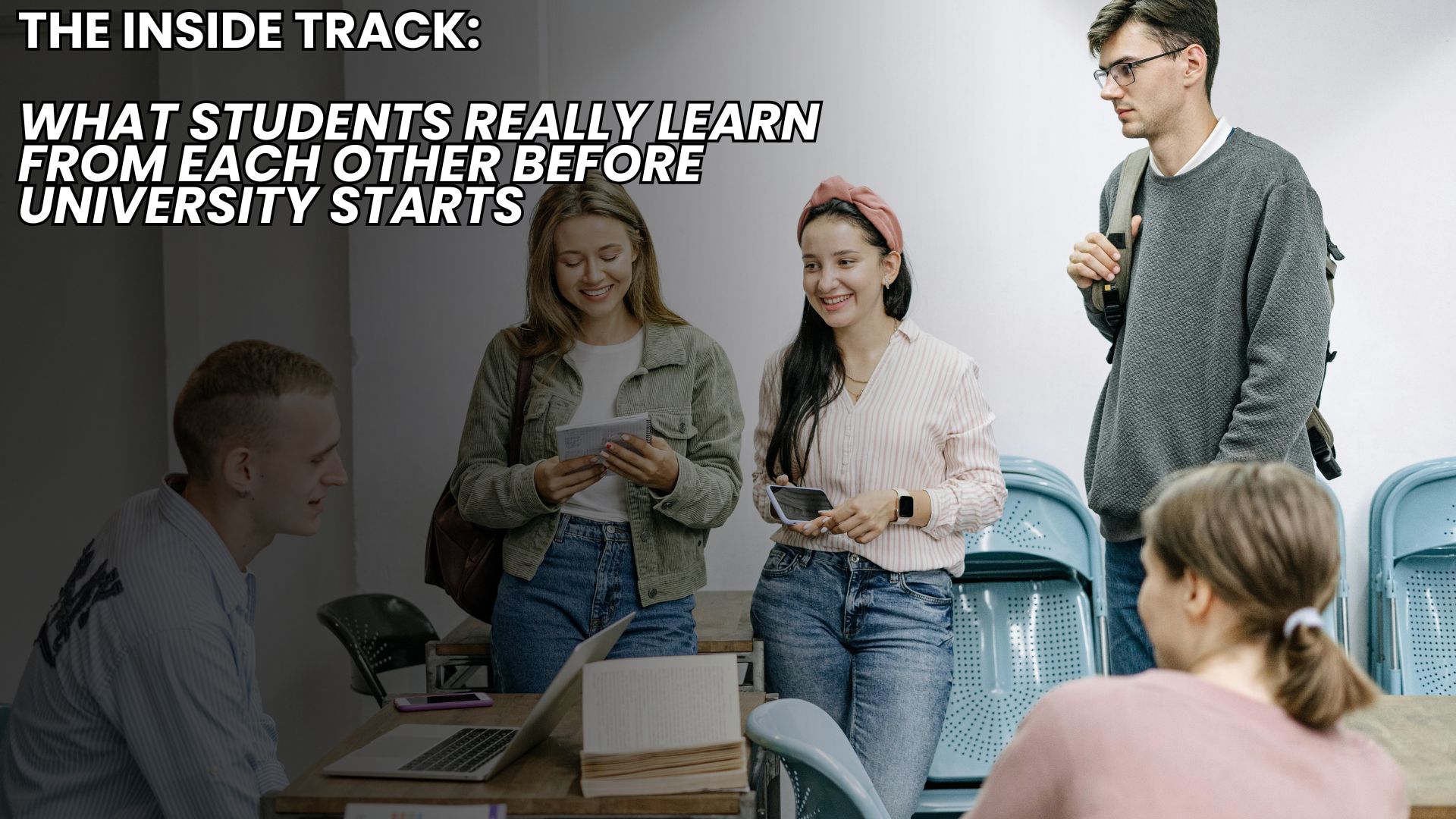
The first time a student prepares for university rarely looks like a checklist. Before they read a welcome guide or open a handbook, they are already deep in research, only it does not come from the university. It comes from each other.
From the moment they accept their offer, students begin scanning for clues. Not academic ones, but social and practical ones, like how arrival really works, whether housing listings can be trusted, what everyday costs look like, and what tends to catch new students off guard. These questions fill group chats, forums, and Uni-Life threads weeks, sometimes months, before arrival.
It is not that students do not want official answers. It is that the answers they trust most usually come from people who have just lived through the same experience.
The inside track is the informal and often invisible stream of peer-to-peer knowledge that shapes how students actually prepare for university life. It is passed through messages, short replies, comment threads, and casual conversations that grow organically.
This is where students find out how arrival really works, which neighbourhoods are actually student-friendly, what the real costs look like beyond the brochure, and which early decisions tend to cause stress later on. It is not official guidance, but it is grounded in reality, and that is exactly why students rely on it.
The inside track is not polished, but it is honest. And for students navigating a big move, honesty matters more than perfect formatting.
When students are given a dedicated and welcoming space to connect, these conversations start naturally. Not because they are prompted by staff, but because students feel comfortable asking questions among peers who understand what they are going through.
A student might ask if anyone else is arriving on a specific date. Someone else replies that they are staying nearby and suggests sharing transport. A third joins the conversation, and suddenly a small network forms. What starts as a simple question turns into a plan, a familiar name, and a sense that arrival will not be faced alone.
These are not long discussions or formal posts. They are quick exchanges and small reassurances, but together they help students feel prepared and grounded long before enrolment is complete.
Universities put significant effort into onboarding communications, guides, and digital tools, and these play an important role. But much of what students need does not come from structured content. It comes from seeing how others are navigating the same situation.
Students are not only looking for information. They are looking for confirmation that their worries are normal, that their questions are reasonable, and that others are making similar choices. The inside track provides that confirmation in real time.
When peer-to-peer exchanges happen in structured and moderated environments supported by the university - rather than unverified spaces - students get the reassurance they are seeking, without the risks that come with misinformation or isolation.
The impact of these peer conversations often shows up quietly. Students make decisions with more confidence, feel calmer about arrival, and adjust expectations before problems arise.
Some students find future flatmates before booking a flight. Others realise what not to pack after reading about common mistakes. Many arrive already recognising names from conversations they had weeks earlier, which makes the first days feel familiar instead of overwhelming.
These are small shifts, but they add up. They turn uncertainty into readiness, and hesitation into confidence.
Students will always look to each other first. The real choice for universities is whether that learning happens in scattered, risky spaces or in environments that are safe, supported, and connected to the institution.
By offering or enabling moderated peer spaces - where verified students can answer questions, share lived experience, and foster early connection - universities are not replacing their own communication. They are strengthening it by supporting the inside track that already exists.
In the space between offer and arrival, students do not need everything mapped out. They need reassurance, context, and a sense that they belong. When those needs are met early, everything that follows becomes easier.

.png)
.png)

.png)