Insights
Reading the Signals: What Student Posts Reveal About Their Needs
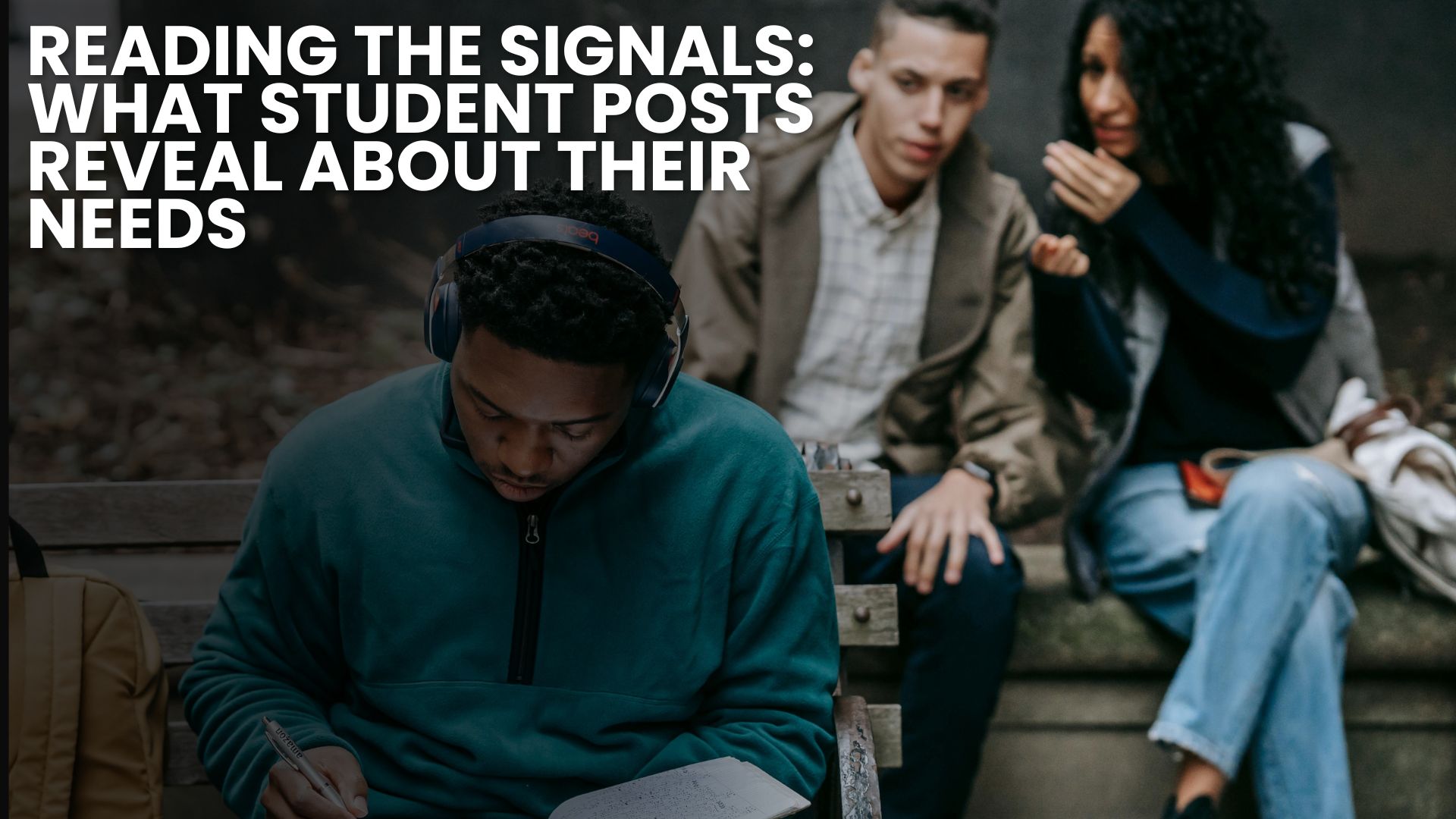
How universities can use real student behaviour to improve conversion, confidence, and early belonging
At first glance, a student’s post in an online community might seem casual. “Is anyone else flying from Amsterdam on the 15th?” or “Where can I get a SIM card?” But if you zoom out, these aren’t just questions - they’re signals. Each post reveals what students are anxious about, excited for, or unsure how to handle. And they’re revealing it in real time.
For universities, this is gold dust.
Most universities find out what students needed only after a problem becomes visible- like a drop in engagement, missed deadlines, or a panicked email to the admissions team. But student communities like Uni-Life let institutions pick upon needs before they escalate. That’s not just engagement. That’s prevention.
The Problem Isn’t Information - It’s Timing
Universities already provide mountains of content: emails, webinars, and guides. But students still ask the same questions. Why is that?
Because often they receive information too early or too late. It doesn’t feel personally relevant. And crucially, they’d rather hear from people like them - students who are living the same journey. So, the issue isn’t that universities aren’t communicating enough. It’s that the communication needs better timing and amore relatable format.
From January 1to December 31, 2025, we tracked thousands of student posts across Uni-Life partner communities. A clear pattern emerged - student activity aligns with specific psychological stages of the student journey.
The first stage is what we call “I need to feel safe.” This happens pre-arrival, when students are facing the biggest decisions of their lives - moving countries, arranging accommodation, sorting visas. During this time, they post the most, driven by a deep need for reassurance. Peer answers, stories from those who’ve done it before, and shared experiences help calm nerves and validate their choices.
Next comes the “I need to feel like I belong” stage. As arrival nears, the focus shifts from logistics to social connection. Students start posting about events, looking for roommates or course mates, and seeking people like them. The volume of interaction increases, and this is where universities have a golden opportunity to foster early bonding and build trust - before anyone even steps on campus.
Finally, we see a move into “I need to stay on track.” This usually hits mid-term, as the academic and social honeymoon period fades and pressure mounts. Students begin posting about routine, part-time jobs, stress, and support. These posts are more practical but no less important. It’s here that peer support becomes invaluable - students answering each other’s questions, offering advice, and sharing resources - often without needing staff to step in.
Here’s the real power of Uni-Life. It’s not just a place to get information - it’s a place where students actively respond to and support each other. Peer-to-peer help works better because the advice is rooted in lived experience. Students trust it more. Problems get solved quickly, sometimes before staff even see them. And that means fewer repeated questions in inboxes, less admin stress, and faster resolution for students.
There’s a direct link between early community interaction and enrolment outcomes. Students who feel confident and connected early on are more likely to enroll, more likely to arrive prepared, and more likely to stay.
From our 2025 data, students who were active in communities during the first 30 days after their offer were 28% more likely to say they felt “ready to enroll. ” They were also 40% more likely to report knowing someone before arrival - a powerful confidence boost. These are not just warm fuzzies. These are measurable conversion gains.
So how can universities act on all of this?
If you see a spike in posts, that’s a sign of uncertainty. It’s a cue to step in with peer reassurance and clear, supportive messaging. If you notice a rise in social content, it signals readiness to connect - a great moment to promote meetups, social groups, or intro threads. And if support-related questions start climbing mid-semester, it’s time to offer structured guidance, mental health resources, or reminders about support services.
These signals don’t require a task force to interpret. Just attention and timely, human responses.
The Best Support Arrives Before Students Ask Twice
Students already show us what they need. The question is - are we paying attention? With Uni-Life, universities get access to the emotional timeline of the student journey, often before traditional data shows anything. The institutions that act early and build belonging before day one. They’re not just reacting to student needs. They’re shaping outcomes.

.png)
.png)

.png)