Insights
From First Question to First Friend: How Students Build Trust Online
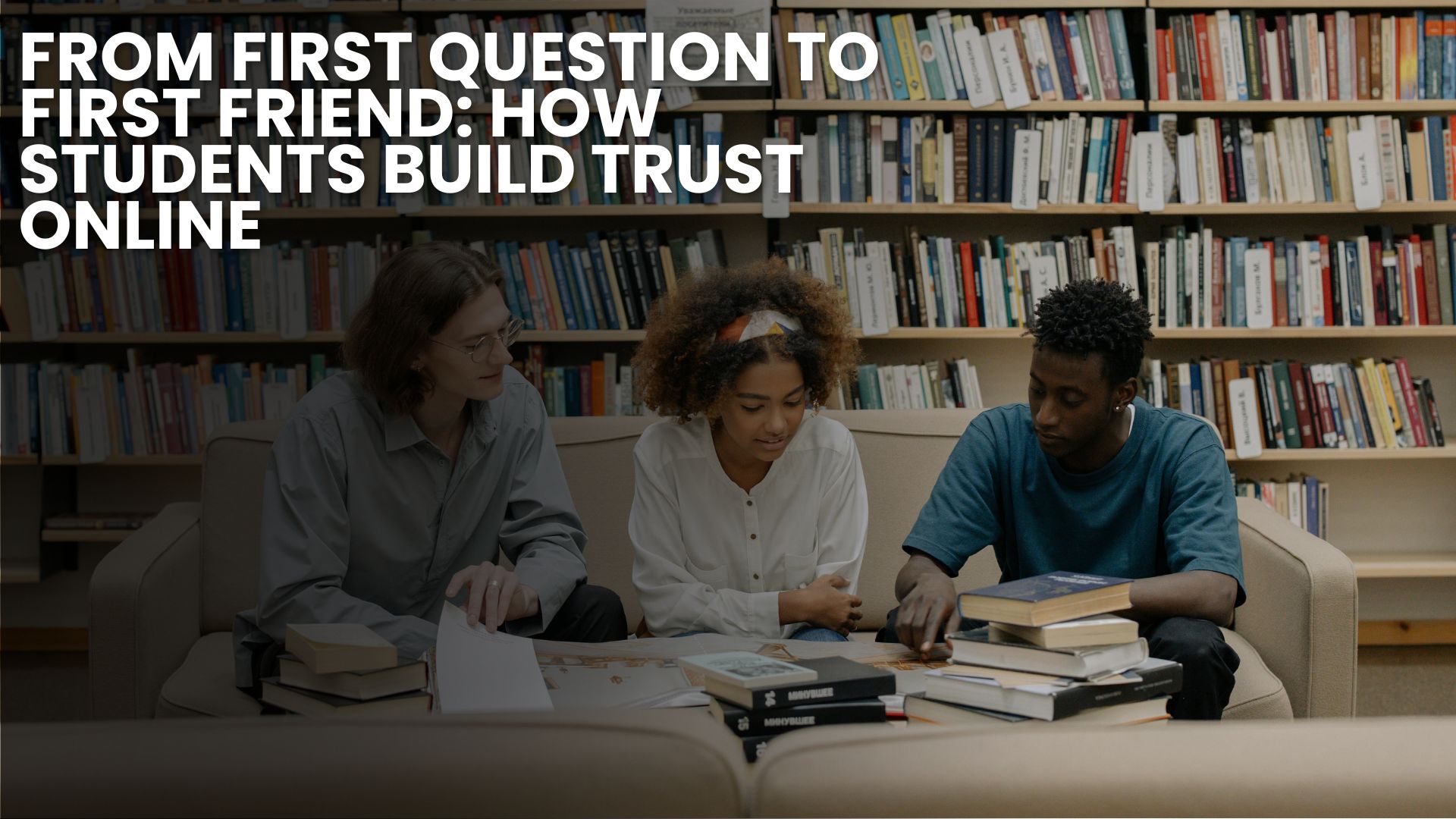
Before the university experience begins in full, before the first lecture, the first night out, or even the first arrival at accommodation, students are already trying to find their place. For many, especially international students, digital spaces like Uni-Life become the first step toward that.
You join the platform. You scroll. You read questions about visa delays, accommodation providers, or course schedules and think, “That’s exactly what I wanted to ask.” But you wait. You wonder if it’s the right moment. Whether anyone else is feeling just as unsure.
This is a common experience, and at Uni-Life, we’ve seen it play out countless times. Here’s how students move from being quiet observers to finding their first real connection, sometimes even before they’ve stepped foot on campus.
Most students don’t jump in right away. When they first join a community space on Uni-Life, they spend time observing. They check if others have asked about things like whether anyone has heard from their accommodation provider, if other international students are still waiting on visas, or whether someone else saw that confusing email from the university about online registration.
They’re scanning for tone. Is this a helpful space? Are people here friendly? Do others respond? This early hesitation isn’t about not caring. It’s about wanting to make sure this space feels safe and relevant. It’s the beginning of trust-building, and it’s a completely natural phase.
The first interaction doesn’t always begin with a bold question. Sometimes it’s a quick “Same here” on someone else's post about a delayed visa. Other times it’s a private message to someone from the same country. It might even be as simple as reacting to a poll about arrival dates or travel plans.
That first connection, whether public or private, is often the turning point. It’s the moment when students realise they’re not alone. There’s someone else who’s also still waiting, who’s also nervous about landing in a country they’ve never visited.
Students build trust quickly when they find someone who shares their experience. It might be a shared nationality, the same course, or just a similar concern about the admin side of getting started.
Once that first step is taken, it gets easier. Students return to check for replies. They help answer others’ questions. They share a link that helped them figure out a key step in the pre-arrival process.
Slowly, they begin shaping their place in the space. The replies they receive help, but so does the simple act of participating. A question about flight dates turns into a group chat of students landing the same week. A shared worry about finding the right accommodation becomes an exchange of tips and photos.
Trust doesn’t form in one big moment, it grows through consistent, supportive interactions in the weeks leading up to arrival.
By the time students arrive on campus, many already know names and faces. They’ve made plans to meet. They’ve helped others through the same hurdles and have been helped in return.
Digital connection doesn’t replace in-person experience, but it makes it easier to step into it with confidence. That space, once full of unfamiliar usernames and question marks, now feels like a community they already belong to.
From what we’ve seen at Uni-Life, trust forms in spaces that feel genuinely student-led. Engagement grows when questions are met with supportive answers. When students feel they can ask without judgement. When they’re not performing for a crowd but connecting with peers who are right there with them.
Anonymity can help, especially when asking vulnerable or personal questions. But what keeps students coming back is knowing someone will respond with something useful, honest, or even just comforting. Shared experiences, relatable conversations, and consistent tone are what shape a space that feels human.
Starting university is a huge moment. For many students, especially those moving abroad, the questions and uncertainties begin long before the semester does. Digital communities like Uni-Life give them a place to ask, listen, and connect, often before they’ve even packed their bags.
Every student begins as an observer. But with the right environment, the right interaction, or even just the right timing, they move toward connection. That first message, that first reply, or that first “I’m in the same boat” can be the start of something bigger - a friend, a support system, or simply the feeling that they belong.
And that’s exactly what the journey from first question to first friend is all about.

.png)
.png)

.png)